Game Design
Miscellaneous Game Design Projects
Assorted Projects · 2012 - 2021
SUMMARY
Across diverse game design projects, I've explored a range of concepts, mechanics, and visual styles, each contributing to my growth as a game designer. From mobile maze adventures to strategic card battles, each project has offered valuable insights and lessons, shaping my approach to future game development endeavors. As I continue to explore new ideas and refine existing concepts, I look forward to pushing the boundaries of game design and delivering compelling experiences for players worldwide.
Textory
Summary
Textory marked my initial foray into game design, undertaken with a two-month timeframe and no prior coding or 3D modeling experience. The game aimed to deliver a simple yet engaging mobile experience centered around a third-person isometric maze concept.
Game Concept
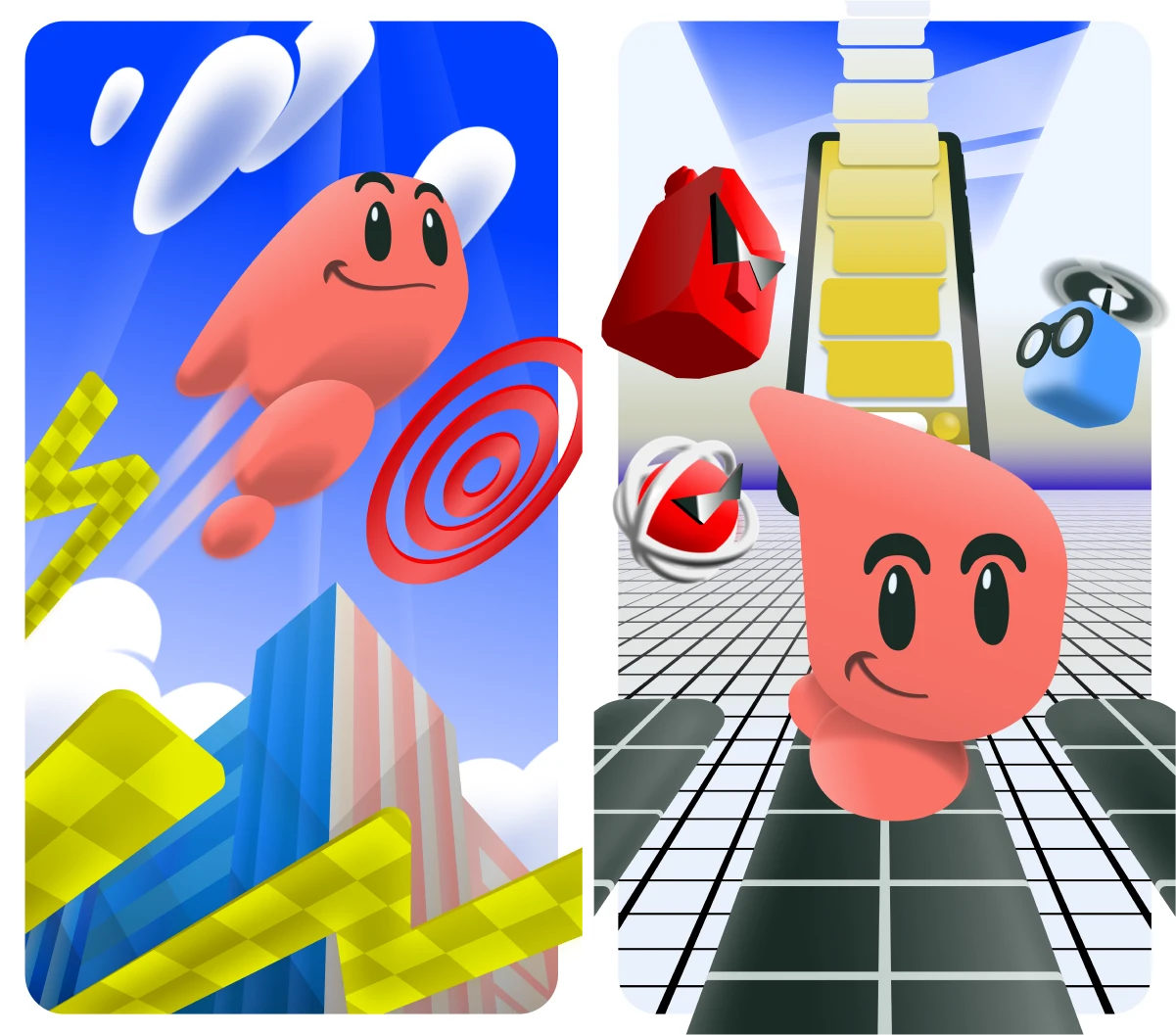
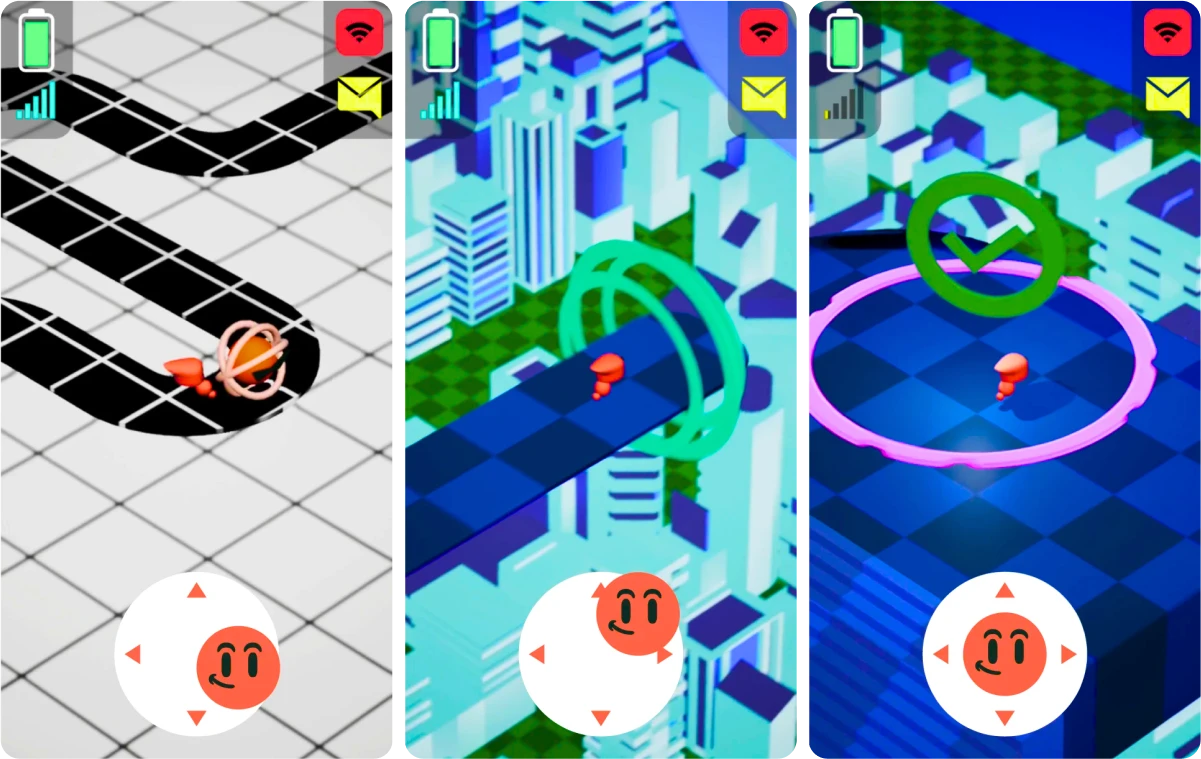
Textory introduced players to Sendy, a text messenger navigating through mazes within the confines of a mobile screen. The game mechanics allowed Sendy to traverse the maze using limited charges, with the challenge intensifying as players encountered enemies and collected essential items like keys and healing items.
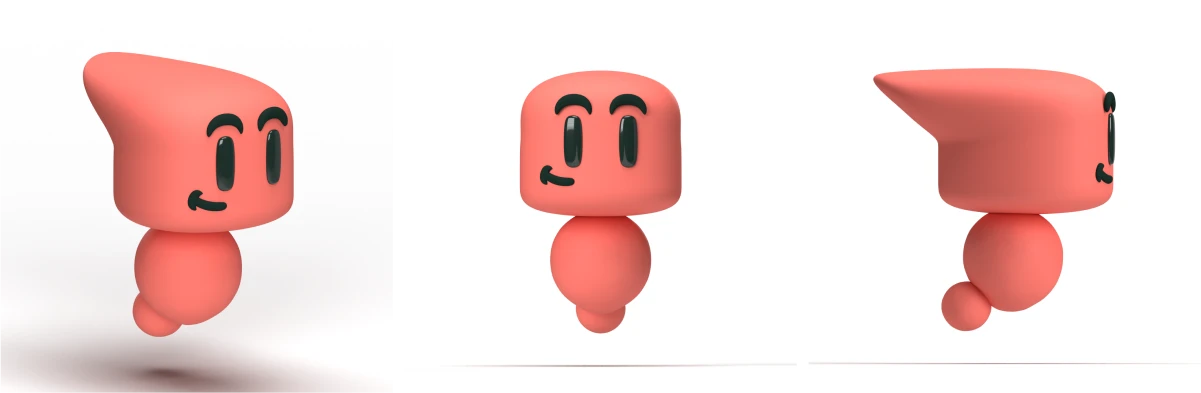
Visual Aesthetics
The game's visual style drew inspiration from late 80s video game art, reflecting a nostalgic yet engaging aesthetic. Sendy's design, reminiscent of iconic characters like Sonic the Hedgehog, conveyed a sense of dynamism and minimalism, complementing the overall retro theme.
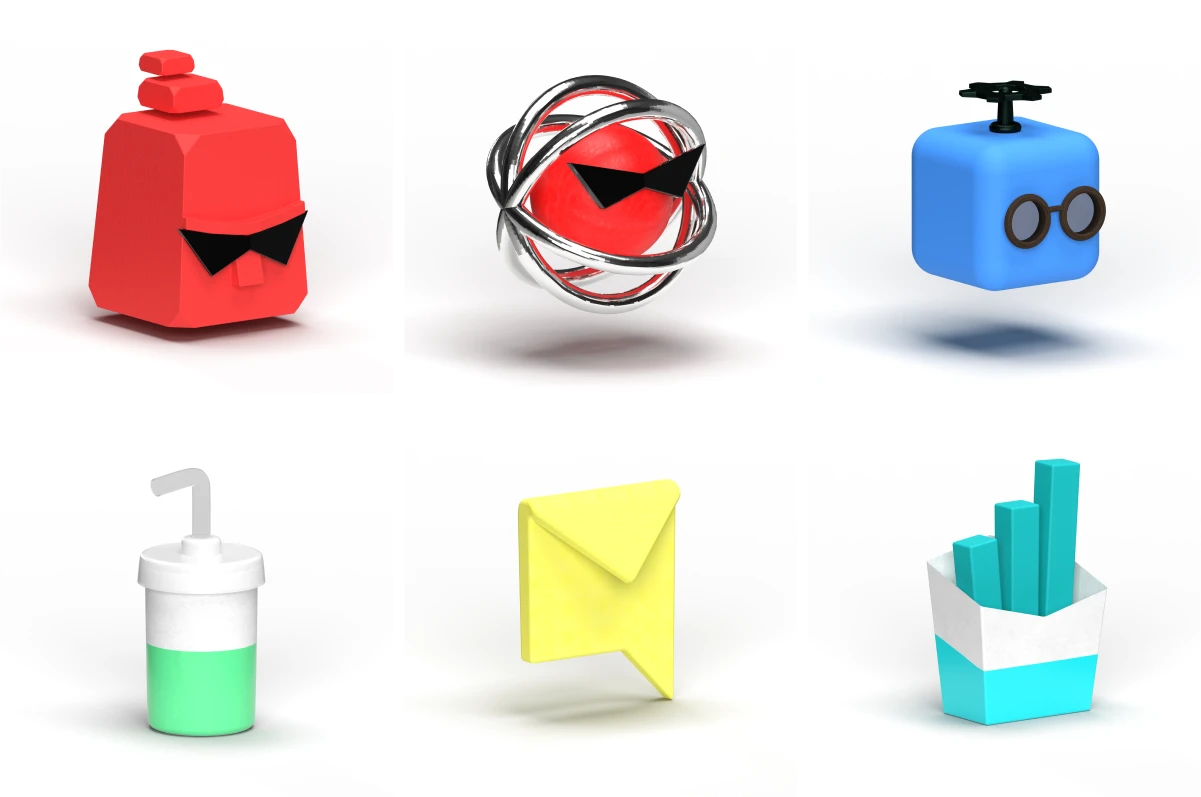
NPCs and Items
The game featured diverse NPCs like Blocky and Bouncy, each with unique behaviors and designs, enhancing the gameplay experience. Items such as batteries and signal boosters were strategically integrated to support the player's progression through the maze.
Lessons Learned
Despite its simplicity, Textory served as a valuable learning experience, allowing me to explore game development tools like Unreal Engine 4 and Blender. Through this project, I gained insights into mobile game development constraints and honed my problem-solving skills in a risk-free environment.
Chilly Chuck
Summary
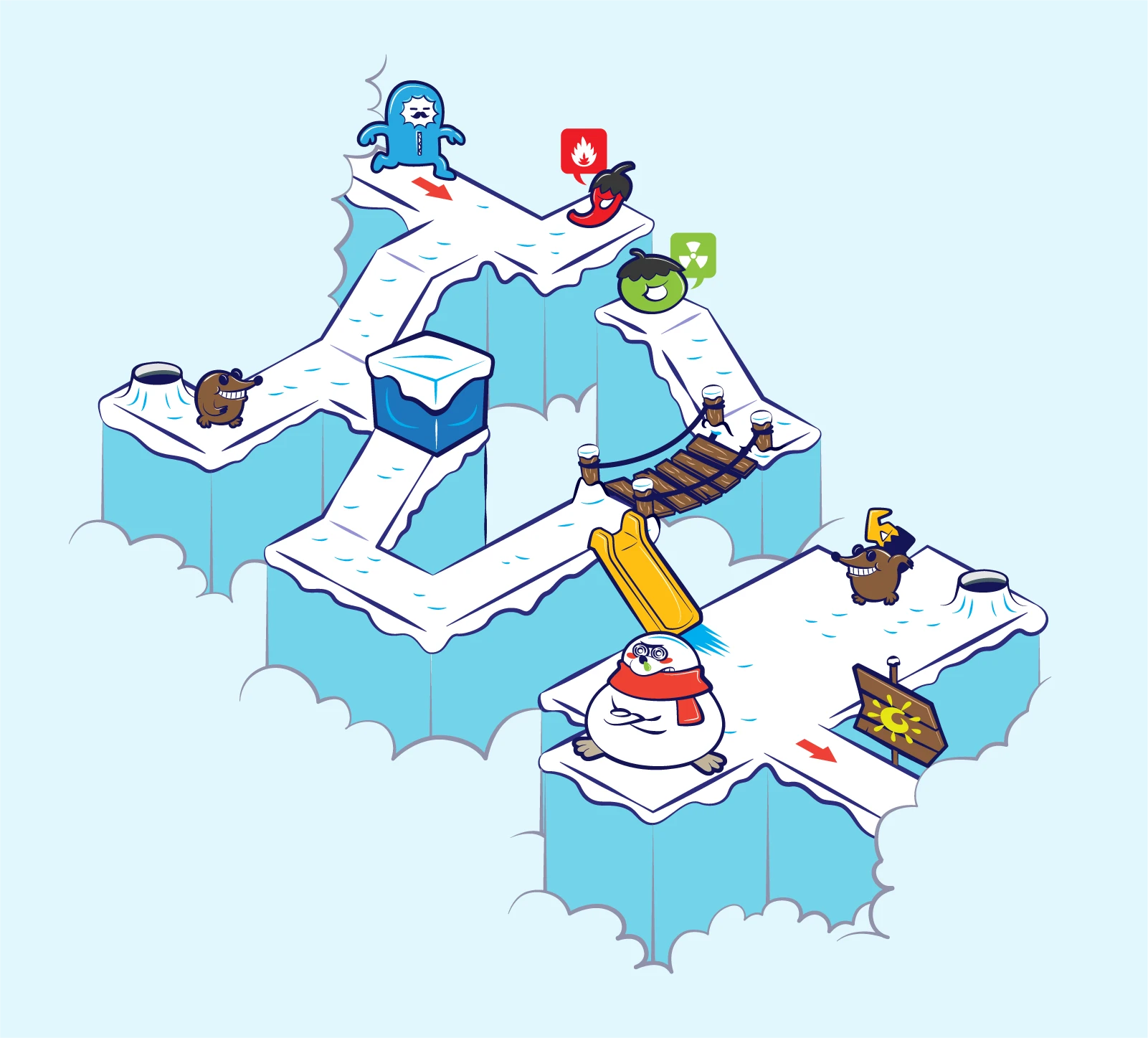
Chilly Chuck emerged as a turn-based isometric puzzle game concept, emphasizing resource management and strategic gameplay. Set in the icy landscapes of Frozenville, the game followed Chuck's journey to escape the freezing tundra and reach the paradise island of Sunland.
Game Mechanics
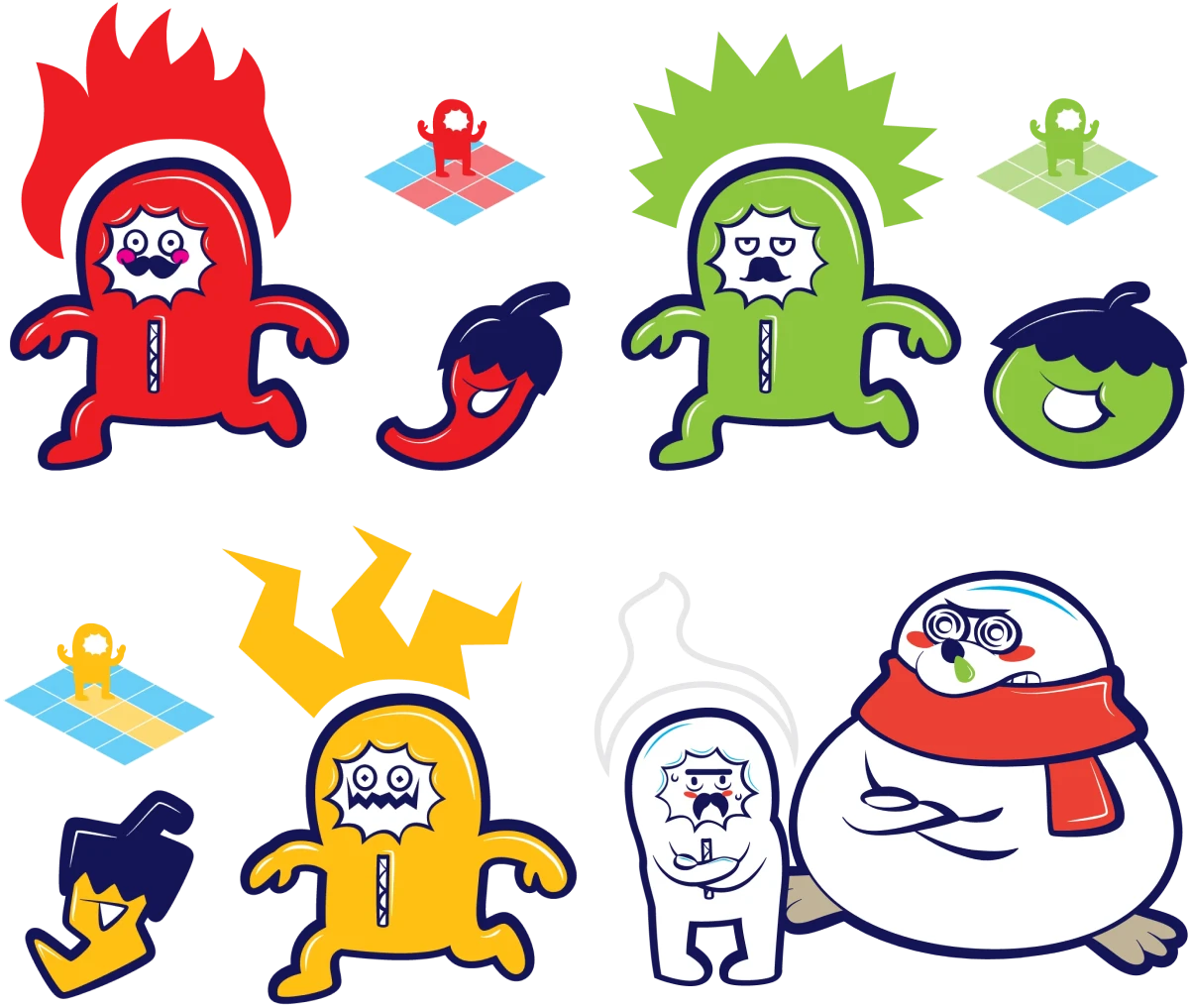
Players navigated through puzzles by strategically utilizing power-ups like hot peppers and electro-peppers, while overcoming obstacles like snowmoles and Count Cold. Resource management, embodied by the limited supply of chilli peppers, added depth to the gameplay experience.
Visual Design
Chilly Chuck's visual identity embraced a cartoonish aesthetic, reflecting the game's light-hearted tone and whimsical narrative. Character designs, power-ups, and environmental elements were meticulously crafted to enhance immersion and foster player engagement.

Future Prospects
While Chilly Chuck remains a conceptual project, its potential as a fully-fledged game is evident. With further development, including prototyping and playtesting, Chilly Chuck could evolve into a captivating puzzle adventure game for players of all ages.
Castle Cluster
Summary
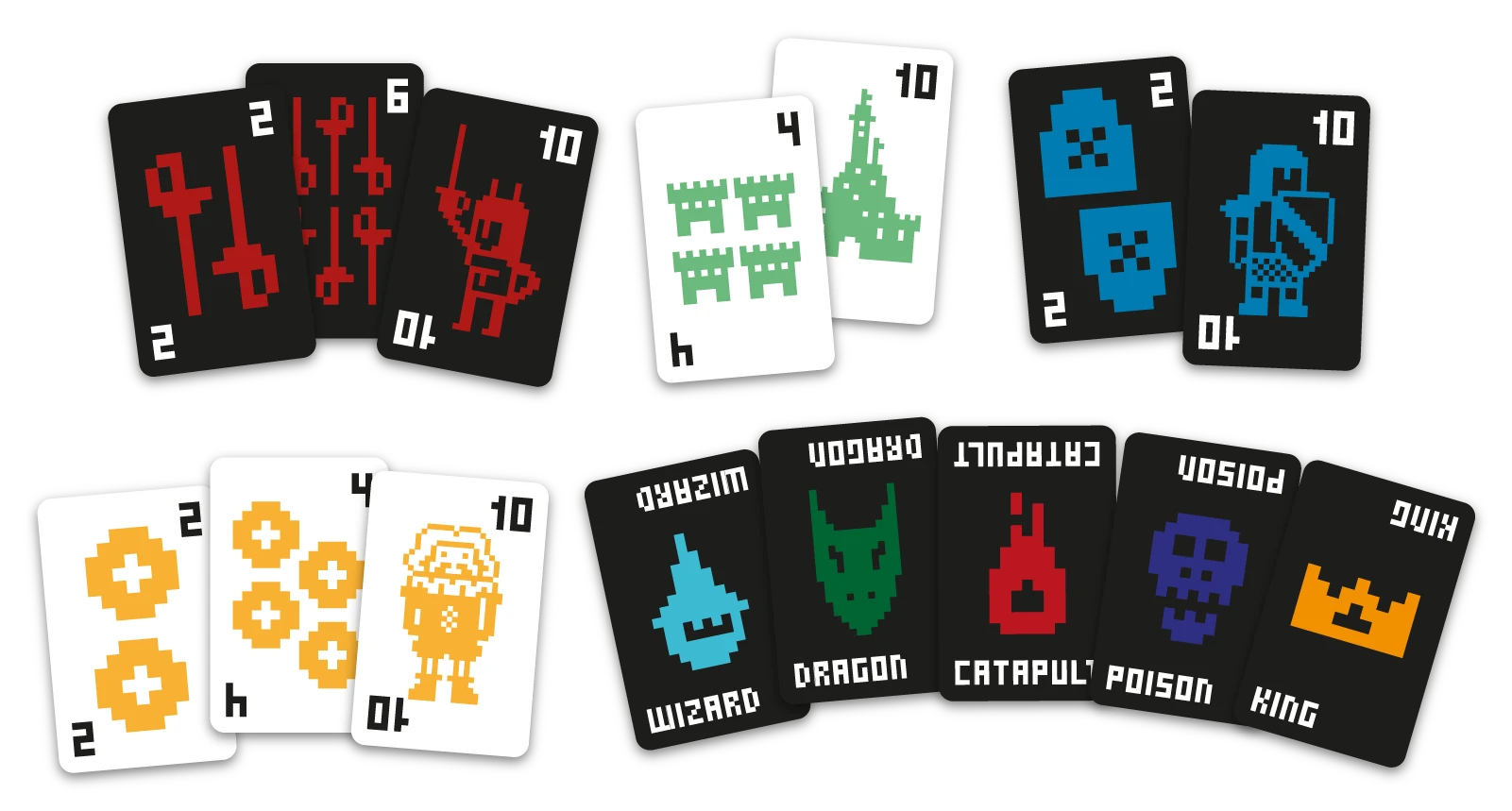
Castle Cluster introduced a strategic card game experience, where players aimed to destroy opponents' castles while safeguarding their own. Featuring simultaneous turns and a 50-card deck, the game emphasized tactical decision-making and interactive gameplay.
Gameplay Mechanics
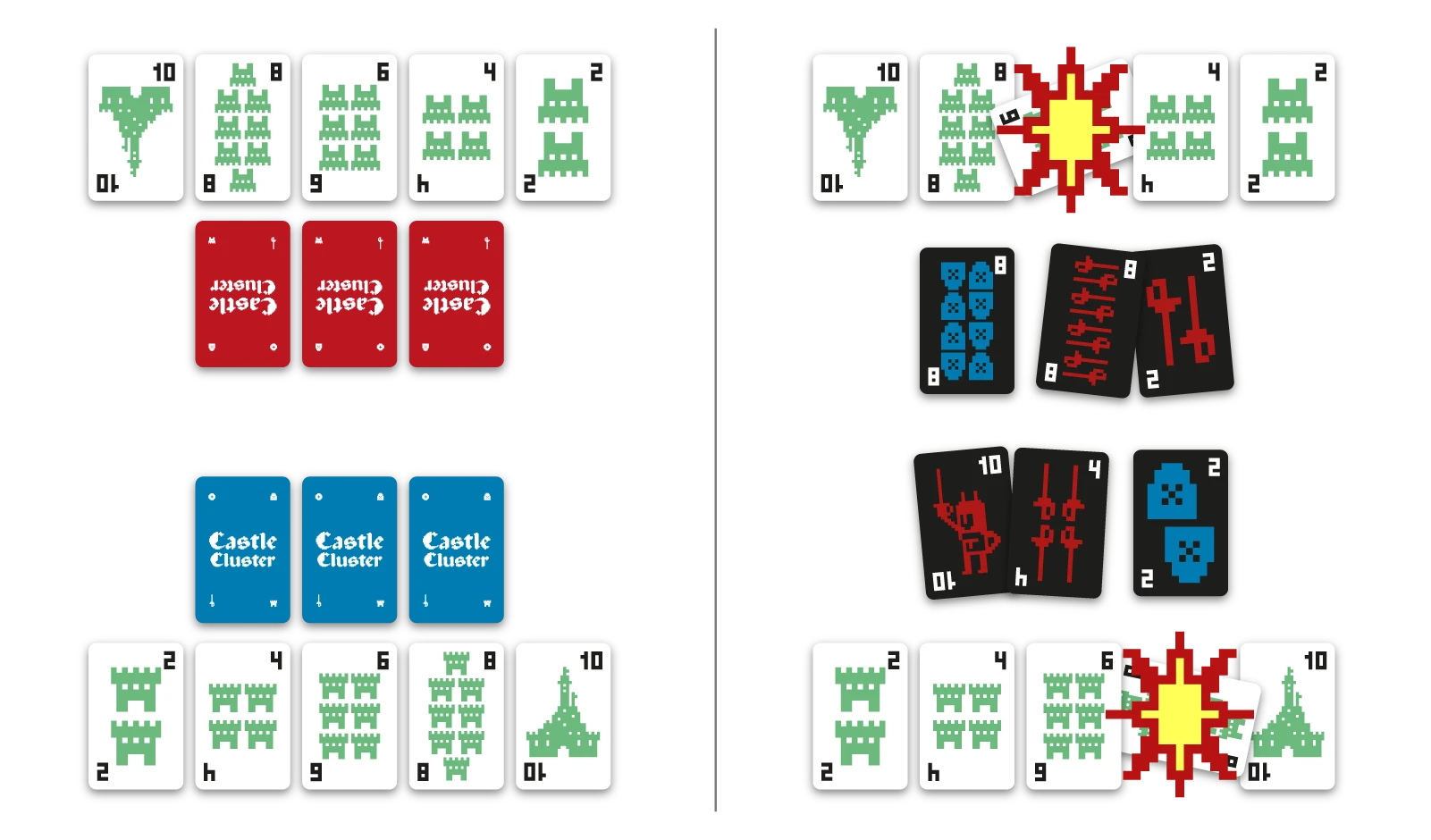
Players strategically deployed cards to attack opponents' castles, with shield cards offering defense against incoming attacks. Special cards introduced unique mechanics, adding depth and unpredictability to each match.
Multiplayer Dynamics
Castle Cluster accommodated multiple players, with each additional deck allowing two more participants to join the game. Simultaneous turns encouraged dynamic interactions and strategic alliances, fostering a competitive yet social gaming experience.
Future Development
As a conceptual card game, Castle Cluster offers significant potential for expansion and refinement. Through iterative development and playtesting, the game could evolve into a compelling multiplayer experience suitable for both casual and competitive gaming communities.
Traduki
Summary
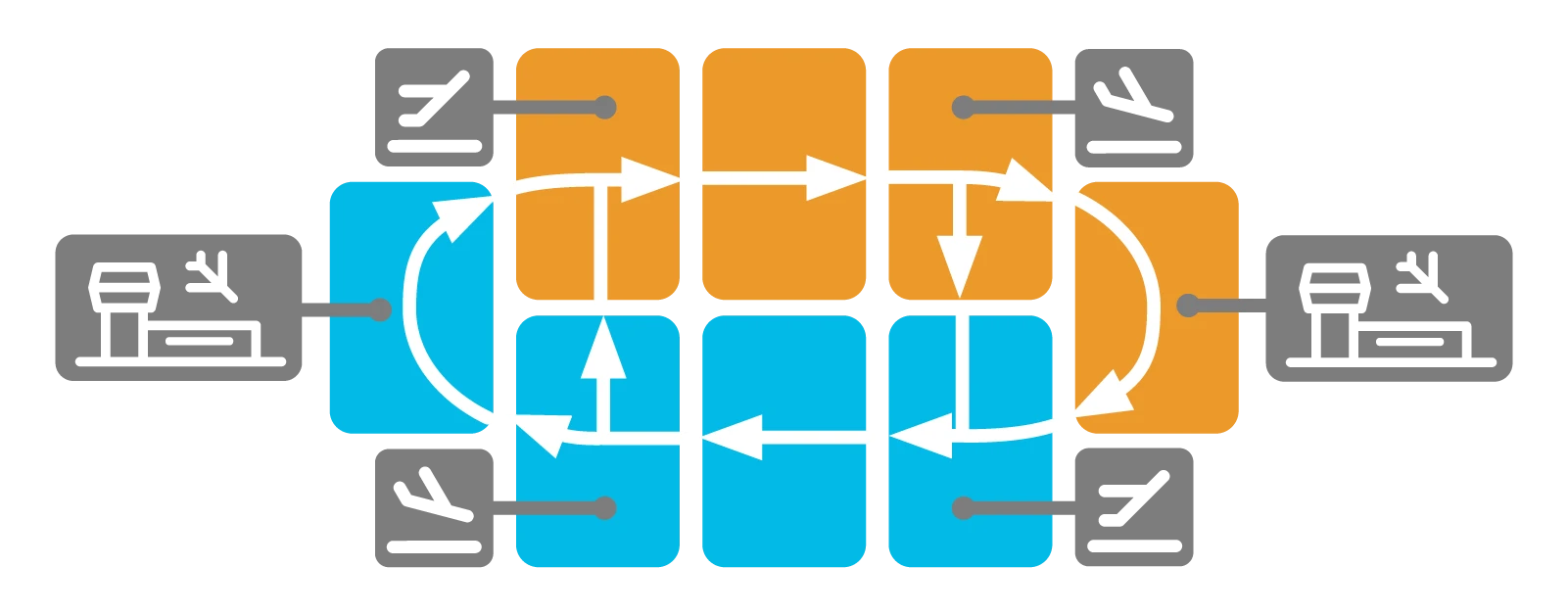
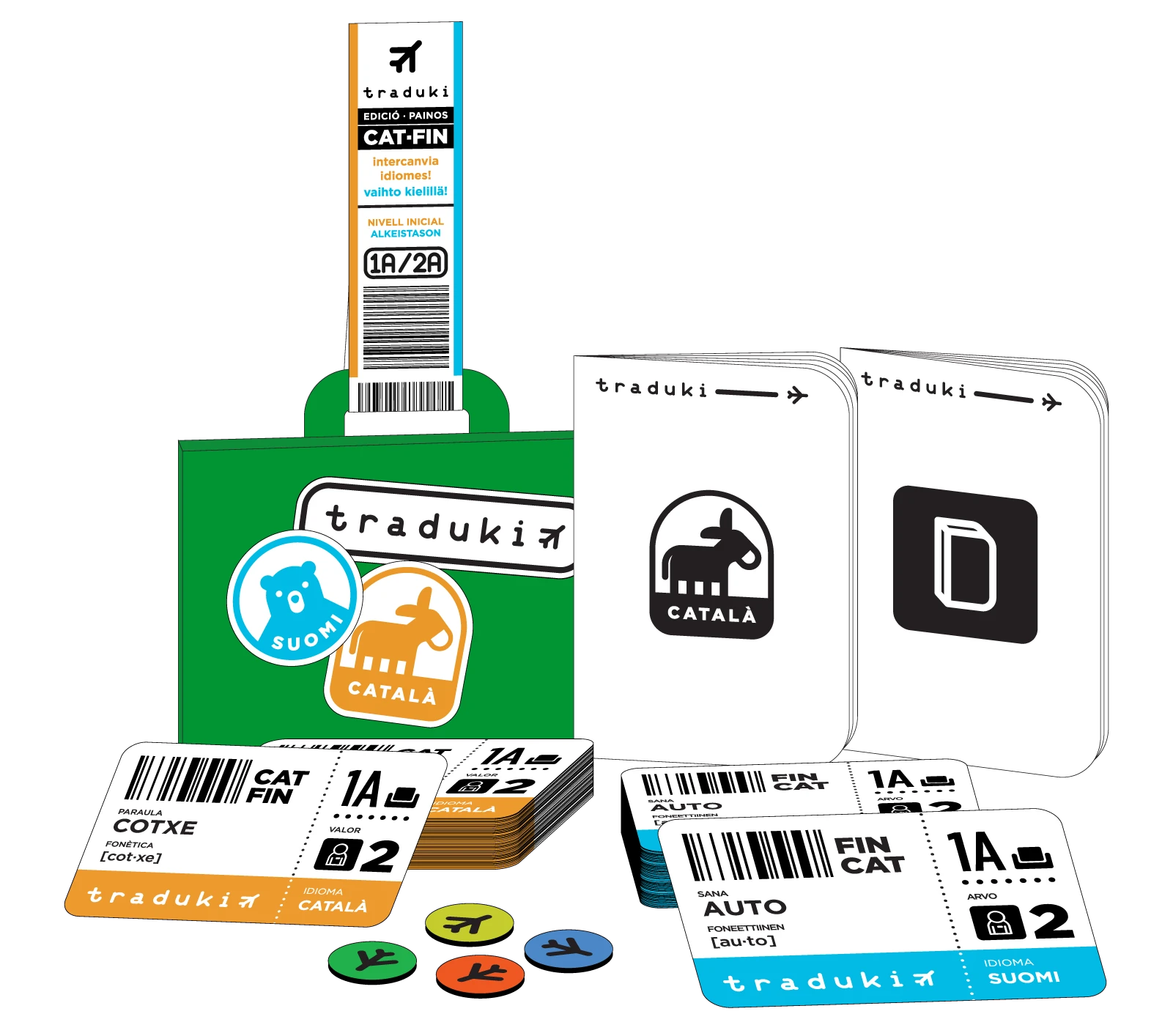
Traduki presented a vocabulary exchange game designed for single or multiplayer engagement. Players utilized tokens to navigate through cards containing words in two chosen languages, aiming to guess translations and accumulate points.
Game Mechanics
Traduki's gameplay revolved around guessing word translations, with successful guesses allowing players to progress through cards and earn bonuses. Strategic token placement and efficient guessing strategies were key to maximizing score potential.
Customization and Accessibility
The game's flexibility allowed for customization of languages and accommodated up to four players, catering to diverse linguistic preferences and group sizes. Simple yet engaging mechanics ensured accessibility for players of all ages and language proficiencies.
Educational Value
Traduki offered educational benefits, promoting language learning and cultural exchange in an entertaining gaming format. By combining gameplay with vocabulary acquisition, the game provided a fun and interactive approach to language practice.
Goal: The Match
Summary
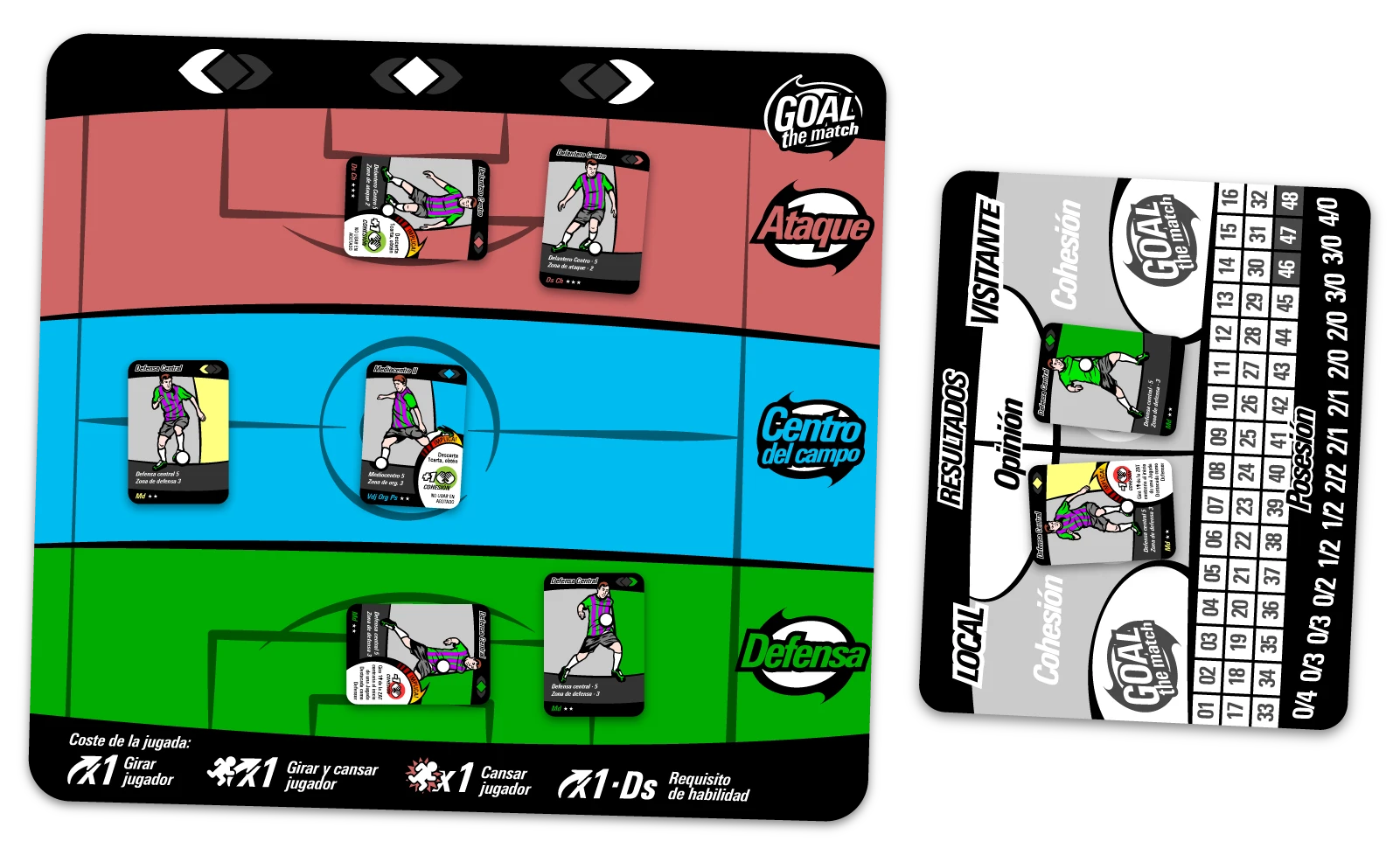
Commissioned as a soccer-themed card game, Goal: The Match simulated strategic coaching decisions in a competitive match setting. Players assumed the role of coaches, strategizing plays and managing player positions to outwit opponents.
Gameplay Dynamics
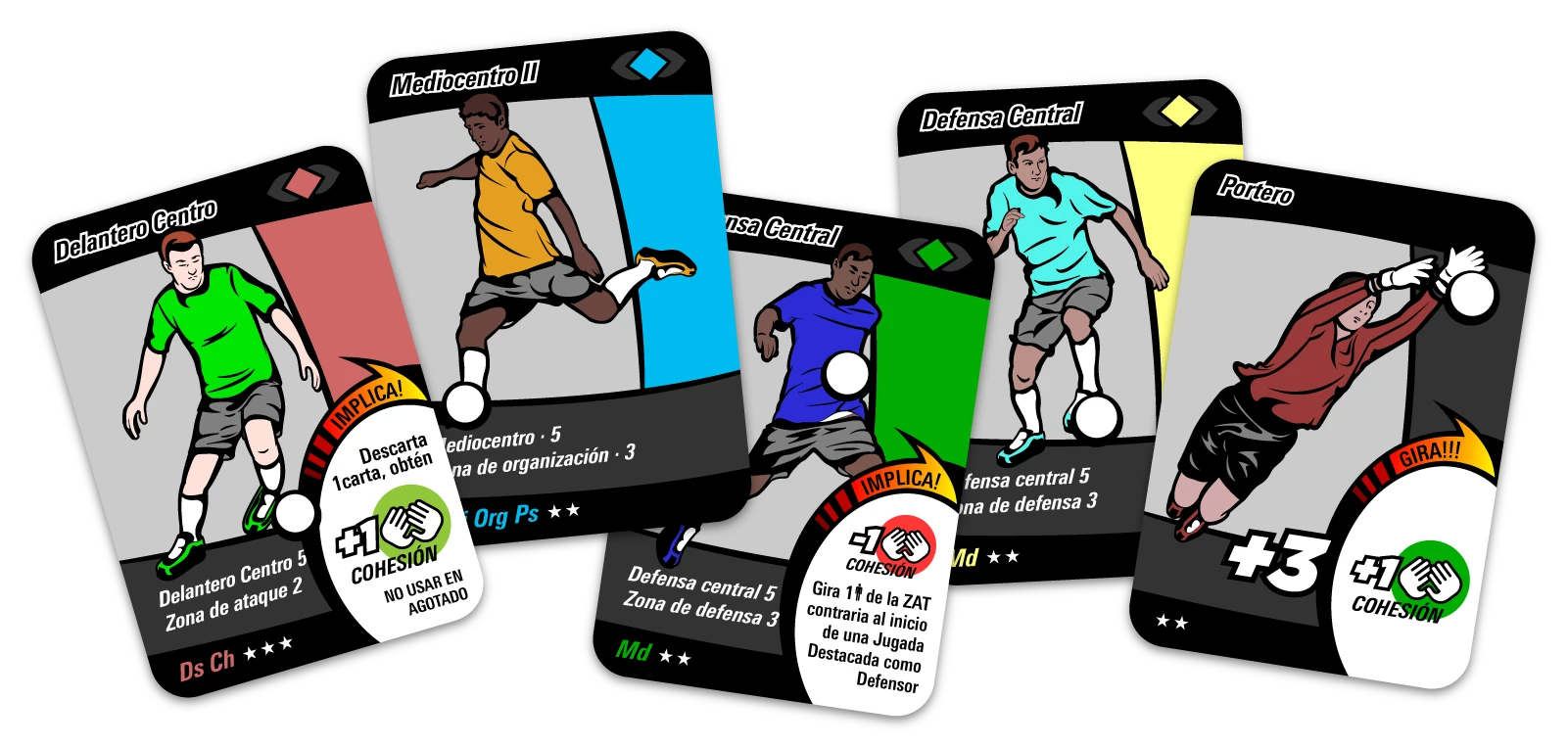
Goal: The Match featured a unique gameplay structure, with coaches planning moves on individual field boards while sharing a centralized scoreboard. Each player card represented a soccer player, with performance influenced by position and strategic positioning.
Tactical Depth
The game emphasized strategic thinking and anticipation, with coaches carefully orchestrating plays to outmaneuver opponents. Player positioning, timing, and resource management were critical factors influencing match outcomes.
Visualittle
Previous project
Graphic Design
Next project
LET'S TALK! ✨
I'm currently seeking new opportunities! Let me know if my skills could be a good fit for your team.
MAIL ME